Flagstaff sits at an elevation of nearly 7,000 feet in northern Arizona, surrounded by the largest contiguous Ponderosa pine forest in the United States. For decades, it has drawn people looking for a four-season climate, small-town charm, and easy access to skiing, hiking, and the Grand Canyon. But living in Flagstaff comes with trade-offs, especially when it comes to the cost of housing. Whether you are a college student considering a move, a remote worker, or someone looking for a change of pace, understanding the real pros and cons can help you decide if this mountain town is right for you.
What Makes Flagstaff Unique
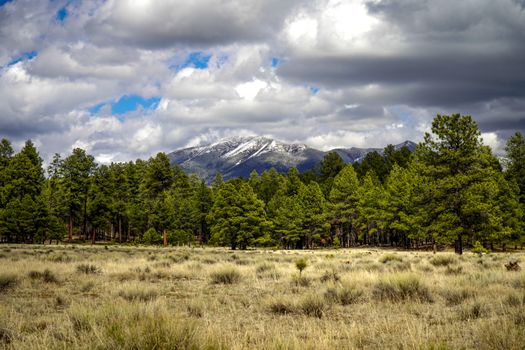
Unlike the desert heat of Phoenix or Tucson, Flagstaff experiences all four seasons. Snowfall is common in winter, and summers are mild with daytime temperatures rarely climbing above the 80s. The city’s high altitude also means cooler nights even in July. The landscape is dominated by towering pines and volcanic peaks, giving the area a distinctly alpine feel. Locals often describe the community as having a small-town atmosphere, with a lively downtown core and a population that values outdoor recreation and environmental stewardship.
The Pros of Living in Flagstaff
Four Seasons and Outdoor Recreation
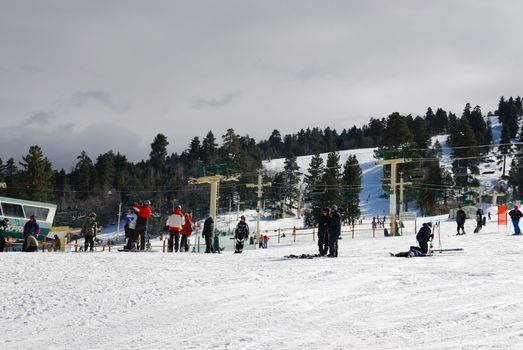
Flagstaff is one of the few places in Arizona where you can ski in the winter and hike through wildflowers in the spring. The Arizona Snowbowl ski area sits just outside town on the San Francisco Peaks, offering skiing and snowboarding from late fall through early spring. In warmer months, the Coconino National Forest provides hundreds of miles of trails for hiking, mountain biking, and trail running. The proximity to Grand Canyon National Park, Sedona’s red rocks, and Monument Valley makes Flagstaff a basecamp for exploring the Colorado Plateau.
Small Town Feel with City Amenities
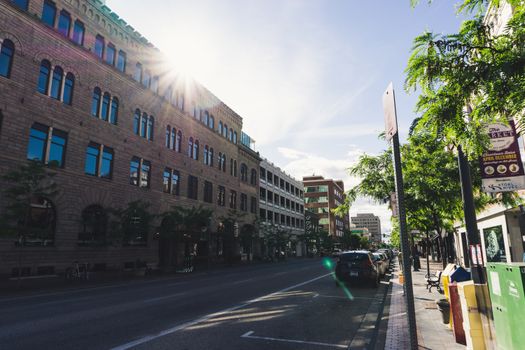
With a population around 77,000, Flagstaff retains the charm of a mountain town while still offering a university, a regional hospital, and a walkable downtown historic district. The presence of Northern Arizona University brings cultural events, college sports, and a youthful energy. Restaurants, breweries, and coffee shops line the streets, and farmers markets run through the summer. Many residents say they know their neighbors and appreciate the slower pace compared to larger cities.
Clean Air and Natural Beauty
The air quality in Flagstaff is generally excellent, and the views are hard to beat. The city is surrounded by national forest, so open space is never far away. Wildlife sightings, including elk, deer, and bald eagles, are common. For people who want to live close to nature without being completely isolated, Flagstaff offers a balance that is rare in the Southwest.
The Cons of Living in Flagstaff
High Cost of Living and Expensive Housing
The biggest drawback for most newcomers is the cost. According to recent data, the cost of living in Flagstaff is 19.1% higher than the national average. Housing is especially steep. The median home price sits around $685,000, and the average monthly rent is roughly $2,114. Housing costs in Flagstaff are considered 52% to 53.3% higher than the national average, depending on the source. For people moving from lower cost areas of Arizona or the country, this can be a shock.
Limited Job Market
While Flagstaff has a strong presence in education, healthcare, and tourism, the job market is not as diverse as in larger metropolitan areas. Many residents commute from Flagstaff to remote jobs, or they work in the service industry connected to the university and tourism. Wages do not always keep pace with housing costs, which can create financial strain. If you do not have a job lined up or the ability to work remotely, it may take time to find a position that pays enough to afford the rent.
Cold Winters and Snow Removal
If you love snow, this is a pro. But for those used to Arizona’s warmer climate, Flagstaff’s winter can be a shock. Snowfall averages around 90 inches per year, and icy roads are common. Living in Flagstaff means owning a set of snow tires, shoveling driveways, and dealing with occasional school and business closures. The city does a good job of plowing main roads, but side streets and parking can become frustrating during heavy storms.
Cost of Living and Housing in Detail
When considering a move, the cost of housing is usually the deciding factor. In Flagstaff, the combination of high demand and limited supply keeps prices elevated. Much of the land around the city is national forest, so there is little room for sprawling suburban development. This scarcity, along with the desirability of the location, pushes both sale prices and rents upward. The average monthly rent of $2,114 means that even a one bedroom apartment can be expensive. Potential buyers face a median home price of $685,000, which is well above the national median. It is important to budget carefully and explore options outside the immediate city limits if you need more affordable housing.
The table below summarizes key cost of living comparisons for Flagstaff.
Category | Flagstaff | National Average |
|---|---|---|
Overall Cost of Living | 19.1% higher | Baseline |
Housing Costs | 52% to 53.3% higher | Baseline |
Average Monthly Rent | $2,114 | Varies |
Median Home Price | $685,000 | Varies |