Moving to a new city involves weighing many factors: housing costs, job opportunities, climate, and daily lifestyle. Tucson, Arizona, stands out as a midsize city with a distinctive desert character and a cost of living that remains below the national average. With a population of about 552,177 and a median age of 35.0, the city attracts a mix of young professionals, families, and retirees. This article covers what newcomers can expect, from housing expenses and commute times to local culture and outdoor recreation.
Cost of Living in Tucson
Tucson offers a notably lower cost of living compared to many other U.S. cities. One source reports that the overall cost of living in Tucson is 6% below the national average, while another source puts the figure at 3% below. Regardless of the exact percentage, residents consistently find that their money goes further here, especially in categories like housing and groceries.
Grocery and food bills in Tucson are more than 40% below the national average, which provides meaningful monthly savings for households. When it comes to housing, the median home price in Tucson is around $310,000, according to one source, while another source lists the median home value at $293,726. Even taking the higher figure, Tucson homes are significantly more affordable than in nearby Phoenix, where the median home price is roughly $420,000. Renters also benefit: the average rent for a one-bedroom apartment in Tucson is $1,150, compared to the national median of $1,938. Another source gives the median rent citywide as $1,043.
The overall affordability makes Tucson especially attractive for first-time homebuyers and those looking to reduce their monthly expenses without sacrificing urban amenities.
Understanding the Housing Market
Housing data varies by source, so newcomers should look at recent listings for their preferred area. The median household income in Tucson is $57,102, which aligns with the local home prices and rents. A typical one-bedroom rent at $1,150 would consume about 24% of that median income, staying within common budgeting guidelines. The lower local home values also mean that a household earning the median income can often qualify for a modest house, particularly if they have a down payment saved.
Because Tucson is smaller and less expensive than Phoenix, many people moving from larger metropolitan areas find they can upgrade to a larger home or a property with a yard for the same monthly payment they were making elsewhere.
Climate and Year-Round Living
Tucson experiences a warm desert climate with mild winters and hot summers. In the winter months, highs average around 70°F and lows drop to about 40°F. This makes outdoor activities comfortable for much of the year. The summer heat can be intense, but low humidity and the city's higher elevation (2,389 feet) keep afternoons more bearable than in lower-elevation desert locations.
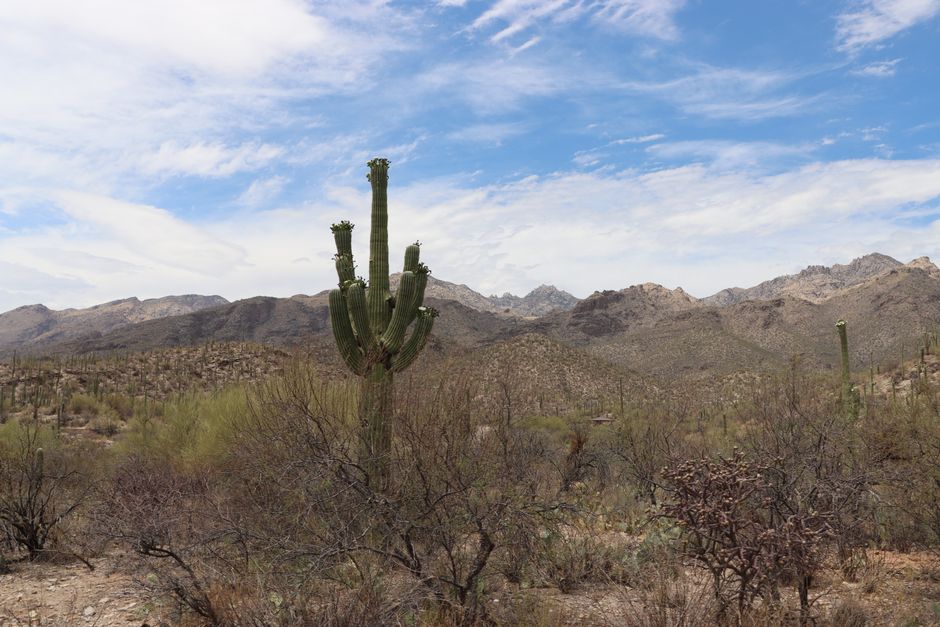
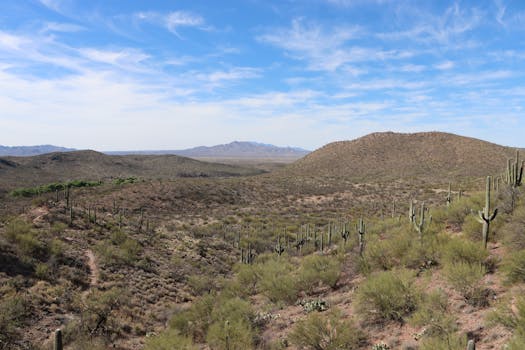
The Tucson area is a haven for birdwatchers, with over 350 bird species documented in the region. The combination of mountain ranges, arroyos, and saguaro-studded landscapes creates diverse habitats. Residents enjoy hiking, biking, and golfing throughout the year, with peak outdoor season running from October through May.
Transportation and Commute
The average commute time in Tucson is 20.04 minutes, significantly shorter than in many major U.S. cities. This translates to less time stuck in traffic and more time at home or pursuing leisure activities. The vast majority of residents drive to work: 82.3% commute by car. Public transit accounts for 2.8% of commuters, while 2.0% walk and 1.1% bike. The remaining share works from home or uses other means.
For those who prefer not to drive, Tucson has a growing network of bike lanes and paths, and the public bus system, Sun Tran, covers most parts of the city. However, the low transit usage percentage indicates that having a car is still the most practical option for most newcomers.
Unemployment and Job Market
Unemployment figures for Tucson vary depending on the source and the time the data was collected. One report from U.S. News lists the unemployment rate at 5.29%, while another source (ExtraSpace) reports a rate of 3.1%. These differences likely reflect different measurement periods or methodologies. Prospective residents should check the most current data from the Arizona Office of Economic Opportunity or the U.S. Bureau of Labor Statistics. Either way, Tucson's economy includes sectors such as education, healthcare, aerospace, and tourism, anchored by the University of Arizona and Davis-Monthan Air Force Base.
Culture and Dining
Tucson has earned a unique culinary distinction: it was the first American city named a UNESCO City of Gastronomy. This designation recognizes the city's rich food heritage, which blends Sonoran Mexican traditions with local ingredients like mesquite flour, prickly pear, and chiltepin peppers. Newcomers will find a thriving restaurant scene, farmers markets, and food festivals that celebrate this heritage.
Beyond food, the city offers a vibrant arts community, historical museums, and numerous annual events including the Tucson Gem and Mineral Show. The mix of Native American, Hispanic, and pioneer influences gives Tucson a cultural depth that sets it apart from many other southwestern cities.
Tips for Newcomers
Plan for the Summer Heat
Daytime temperatures in June, July, and August frequently exceed 100°F. Make sure your home has efficient air conditioning, and plan outdoor activities for early morning or evening. Staying hydrated and using sun protection becomes part of daily life.
Explore Different Areas Before Committing
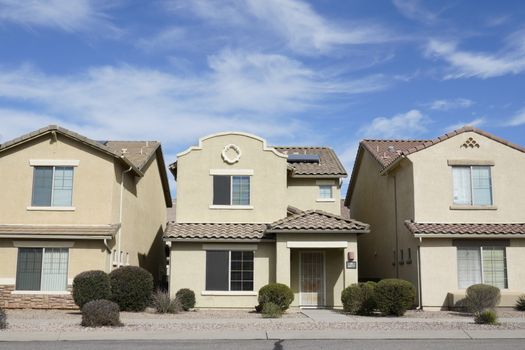
Tucson's neighborhoods vary widely in character. Some areas near the University of Arizona have a youthful, walkable vibe, while suburban subdivisions offer larger lots and quieter streets. Since we cannot name specific neighborhoods here, drive through different parts of town during both weekday and weekend hours to get a feel for noise, traffic, and amenities.
Compare Insurance and Utility Costs
While the cost of living is generally low, some expenses like homeowners insurance may be higher due to monsoon storm risk. Check with local providers and factor in cooling costs during the summer. Overall, utility bills can be moderate if the home is well-insulated.
Consider Commute Times
With an average commute of just over 20 minutes, most residents enjoy a short trip to work. However, some outlying areas can add 10 to 15 minutes. Use the average as a baseline and test drive potential routes during rush hour.
Frequently Asked Questions
What is the cost of living in Tucson compared to the national average?
Most sources agree that Tucson's cost of living is below the national average. One source reports it is 6% lower, while another says 3% lower. Groceries are more than 40% below the national average, and housing costs are significantly less than in Phoenix.
What is the weather like in Tucson year-round?
Winter highs average around 70°F and lows around 40°F. Summers are hot, often exceeding 100°F, but low humidity makes the heat feel less oppressive than in other desert cities. Spring and fall are mild and pleasant.
How long is the average commute in Tucson?
The average commute time is 20.04 minutes. Most residents drive to work (82.3%), while a small percentage use public transit, walk, or bike. The short commute is a major advantage for those moving from congested metro areas.
Is Tucson an affordable place to buy a home?
Yes, compared to many U.S. cities. The median home price is approximately $310,000 (or a median value of $293,726 depending on the source). This is well below the national median home value of about $359,870 and far less than Phoenix's median of $420,000.
Living in Tucson offers a blend of affordability, cultural richness, and outdoor beauty that appeals to a wide range of newcomers. With careful planning and a willingness to embrace the desert lifestyle, the city can be a rewarding place to call home.