If you are considering a move to Tucson, understanding the cost of living is an important step. Multiple sources track how much it costs to live in this desert city, and their numbers sometimes tell different stories. Depending on which data set you look at, Tucson’s overall cost of living can appear slightly above or slightly below the national average. This article breaks down the most current figures available for 2024 through 2026, covering housing, utilities, groceries, transportation, and the wages you need to live comfortably.
Overall Cost of Living in Tucson
Reported figures for Tucson’s cost of living vary by source and year. The Arizona MAP Dashboard reported that in 2024 the Tucson Metropolitan Statistical Area (MSA) had a cost of living 3.1 percent below the national average. That placed Tucson fourth among peer western MSAs, with San Diego 11.9 percent above the U.S. average and El Paso 10.1 percent below. Meanwhile, Extra Space Storage’s 2026 estimate puts Tucson’s cost of living 3.3 percent higher than the national average. Other calculators show a narrower spread: PayScale reports 1 percent higher, Forbes Advisor shows 0.9 percent higher, and Apartments.com says Tucson’s overall cost of living is 3.2 percent lower for renters.
These differences come from different methodologies and timing. What is clear is that Tucson is not an unusually expensive or cheap place compared to the rest of the country. It falls close to the national average, with certain categories like housing and transportation pulling one direction and groceries and utilities pulling another.
Housing Costs
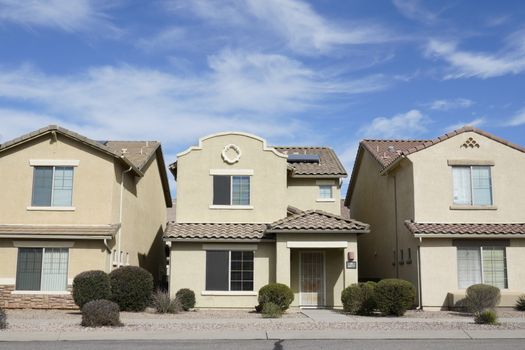
Housing is the biggest expense for most households. In Tucson, it tends to be less expensive than the national average. According to U.S. News Real Estate, the national median home value is $359,870, while Tucson’s median home value is $293,726. That is a difference of more than $66,000, making homeownership more accessible than in many other parts of the country.
For renters, the most common rent range in Tucson falls between $811 and $1,693 per month, as reported by Apartments.com. The same source notes that housing in Tucson is 5.3 percent less expensive than the national average. The MAP Dashboard also confirms that housing in the Tucson MSA was 8.2 percent below the U.S. average in 2024.

Utilities, Groceries, and Transportation
Beyond housing, daily living expenses in Tucson show a mixed picture. Utilities tend to run slightly higher than the national average. Apartments.com reports that utilities are 3.2 percent more expensive, while other calculators, such as the Forbes Advisor tool, show utilities at 0 percent higher. The variation depends on the basket of services included and the baseline used.
Groceries in Tucson are about 3.6 percent more expensive than the national average, according to Apartments.com. That means your weekly trip to the supermarket will cost a bit more than it would in an average American city.
Transportation is where Tucson offers a notable savings. Apartments.com reports that transportation costs are 6.0 percent less than the national average. Lower fuel prices and shorter commutes relative to larger metros likely contribute to this difference.
Income and Wages
Understanding what salary you need to live in Tucson starts with the living wage data from the Massachusetts Institute of Technology. For a single adult with no children, the living wage in Tucson is $21.37 per hour. For two working adults with two children, each adult needs to earn $37.39 per hour. Arizona’s minimum wage is $15.15 per hour, and the poverty wage for a single adult is $7.67 per hour.
A salary of $50,000 per year converts to roughly $24 per hour if working 40 hours per week. That is above the living wage for a single adult, meaning a person earning $50,000 can cover basic needs, though the margin will vary depending on housing choices and family size.
The total monthly cost for a renter in Tucson is listed at approximately $4,614 to cover basic expenses, according to Apartments.com. That figure covers housing, food, transportation, healthcare, and other necessities for a typical household. On a $50,000 annual salary, after taxes, monthly take-home pay would likely fall below that $4,614 threshold, so careful budgeting or a higher income may be needed for a comfortable lifestyle.
How Tucson Compares to Other Western Cities
The MAP Dashboard ranks Tucson among 12 peer western MSAs. Tucson sits fourth for most affordable cost of living, with San Diego at the high end and El Paso at the low end. Tucson’s cost of living was 3.1 percent below the U.S. average in 2024, while the comparison MSAs ranged from 11.9 percent above to 10.1 percent below. This puts Tucson in a relatively affordable position for the region.
Because the research pack does not include direct comparisons between Tucson and Phoenix, readers should check current cost of living calculators for that specific pair. However, Tucson’s lower housing costs compared to the national average suggest it may be more affordable than many larger southwestern cities.

Cost of Living Trends in Tucson
Between 2009 and 2021 Tucson experienced modest inflation, averaging about 1 percent per year, according to the MAP Dashboard. The 2026 estimate of 3.3 percent above the national average marks a shift upward, but it remains within the range of moderate cost increases. The city has historically been a more affordable alternative to Phoenix and other western metros, and that general pattern appears to continue.
For anyone relocating, the best approach is to use a cost of living calculator that compares your current city to Tucson. Several free tools exist, PayScale, Forbes Advisor, and MAP Dashboard all offer calculators. Entering your current pre-tax income and city will give you a personalized estimate of what you need to earn in Tucson to maintain your standard of living.
Frequently Asked Questions
Is Tucson’s cost of living higher or lower than the national average?
Different sources give different answers. The MAP Dashboard shows Tucson’s cost of living 3.1 percent below the U.S. average in 2024. Extra Space Storage projects it 3.3 percent above the national average in 2026. Other calculators put it between 0.9 percent and 1 percent above. The takeaway is that Tucson is roughly at parity with the national average, with housing being the most significant cost advantage.
What salary do you need to live in Tucson?
MIT’s living wage calculator sets the hourly wage for a single adult in Tucson at $21.37, which equates to about $44,450 per year. For a family with two working adults and two children, each adult needs $37.39 per hour. A salary of $50,000 per year is above the single-adult living wage but close to the poverty line for larger households.
How much does housing cost in Tucson?
The median home value in Tucson is $293,726, compared to the national median of $359,870. Rental prices typically fall between $811 and $1,693 per month. Housing in Tucson is 5.3 to 8.2 percent cheaper than the national average, depending on the source.
Are utilities expensive in Tucson?
Utility costs in Tucson are slightly above the national average. Apartments.com reports they are 3.2 percent higher, while Forbes Advisor shows them as 0 percent higher. The actual amount depends on your usage and provider, but expect to pay a small premium for electricity and water services.
Understanding the full picture of Tucson’s cost of living helps you make an informed decision about relocation. The city offers affordable housing relative to the U.S. average, combined with lower transportation costs. While groceries and utilities may cost a bit more, overall Tucson remains a reasonably priced place to live, especially for those coming from high-cost areas on the West Coast or Northeast. Use a personal cost of living calculator with your specific income and current city to get the most accurate estimate for your situation.